One of the defining questions of our time is what kind of profession we are building for those who come after us.
Veterinary medicine should remain a place where people can build meaningful, stable, and fulfilling lives. It should be a profession where students and young veterinarians can see a future that includes mentorship, financial sustainability, leadership, ownership, and opportunity.
I believe protecting the future of veterinary medicine means looking beyond the challenges directly in front of us. It means asking whether the next generation can thrive in this profession, whether career paths remain viable, and whether veterinary medicine continues to attract people who are called to serve animals, clients, communities, and one another.
If young veterinarians see only debt, stress, and uncertainty, we risk losing extraordinary future talent.
Our responsibility is to help build a profession they can enter with hope and stay in with purpose.
The Path Forward Can Feel Too Narrow
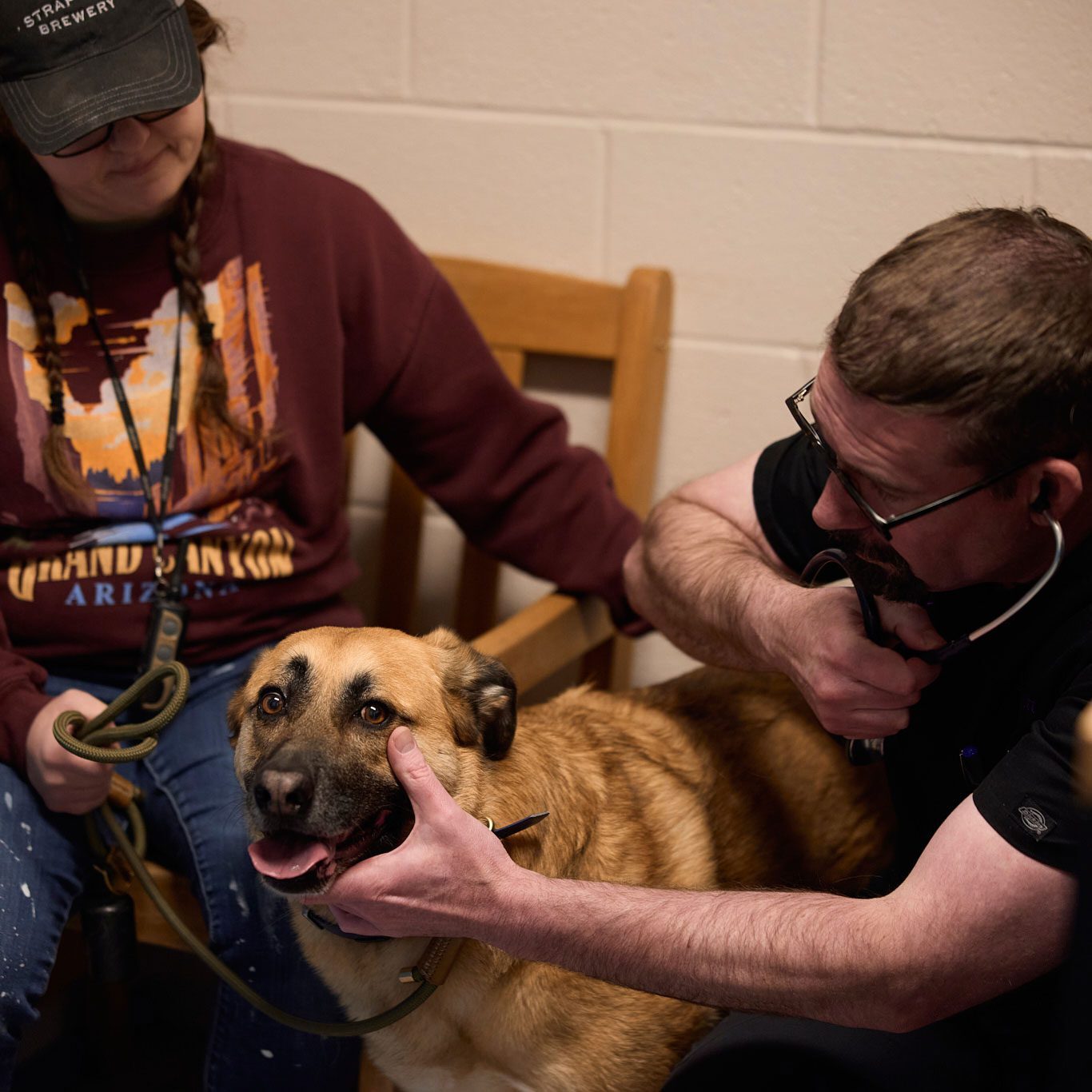
Veterinary students and young veterinarians are entering the profession at a time of significant pressure. Many are weighing the cost of their education against the realities of practice, compensation, emotional strain, and long-term career options.
Student debt can shape major life and career decisions. Ownership may feel out of reach for those who once imagined building or leading a practice of their own. Mentorship can be inconsistent, leaving new graduates without the support they need during some of the most formative years of their careers.
At the same time, the profession is changing quickly. Practice models are shifting, economic pressures are growing, and many young veterinarians are asking whether veterinary medicine can offer the kind of future they hoped for when they chose this path.
The Challenges Include:

Student debt and financial pressure
-
Long-term career viability
-
Practice ownership becoming less attainable
-
Fewer clear entrepreneurial and private practice pathways
-
Uneven access to mentorship
-
Limited leadership development for early-career veterinarians
-
Emotional and professional sustainability
-
Concerns about whether the profession remains attractive to future applicants
Protecting Opportunity Through Mentorship, Stability, and Support
I believe the future of veterinary medicine depends on whether the next generation can grow, lead, own, and thrive within it.
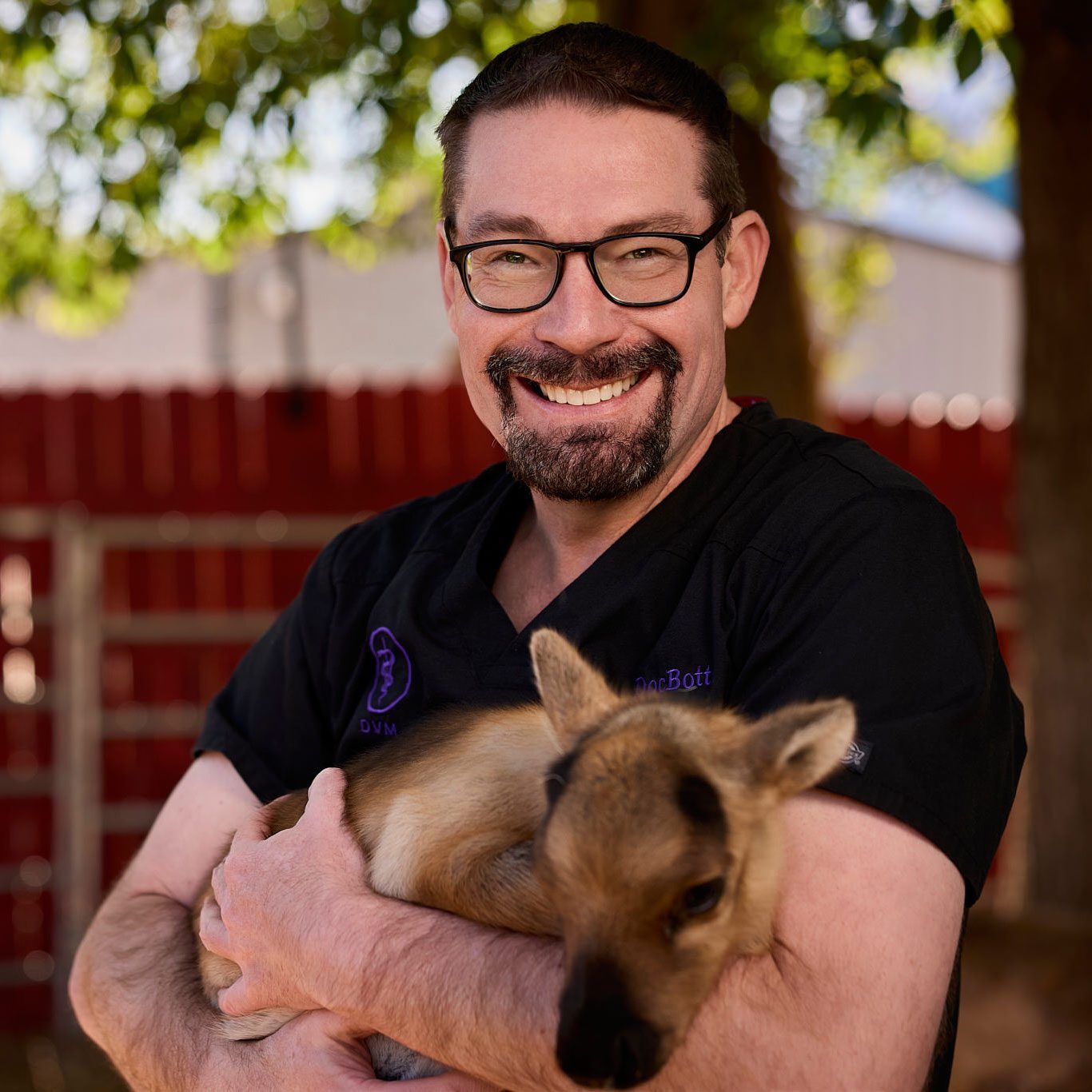
That begins with mentorship. New veterinarians need guidance, encouragement, and practical support as they build confidence and skill. Mentorship should not be treated as an optional benefit. It should be viewed as a foundation for the future of the profession.
It also means protecting opportunity. Practice ownership should remain a real pathway for those who want it. Leadership should be encouraged earlier and supported more intentionally. Career sustainability should include financial, emotional, and professional well-being.
When we invest in people, we do more than support individual careers. We strengthen the future of the profession itself.
My focus includes:
-
Stronger mentorship for young veterinarians:
Early-career professionals need support systems that help them develop confidence, clinical judgment, leadership skills, and long-term direction.
-
Greater attention to student debt and career sustainability:
The profession must continue addressing the financial pressures that affect career choices, personal stability, and long-term satisfaction.
-
Preserving ownership as an option:
Veterinarians who want to build, buy, or lead practices should still be able to see ownership as an attainable path.
-
Leadership development for the next generation:
Young veterinarians should have opportunities to grow as leaders, mentors, business owners, advocates, and decision-makers within the profession.
-
A profession that remains meaningful and viable:
Veterinary medicine should be a field where people can build lives, not just endure the day-to-day grind.
The Future Depends on the People We Support Today
A sustainable profession is one where people can thrive financially, emotionally, and professionally.
Protecting the future of veterinary medicine means protecting the people who will carry it forward. It means helping students and young veterinarians see a future that is realistic, rewarding, and worth staying for. It means preserving pathways to ownership, strengthening mentorship, and keeping opportunity within reach.
I believe veterinary medicine can remain one of the most meaningful professions in the world. But that future will not happen by accident. It will require thoughtful leadership, practical action, and a commitment to the people who are just beginning their careers.
If we want a stronger future, we must build a profession where the next generation can thrive.