Veterinary medicine has always been a team-based profession. Every day, veterinarians, technicians, assistants, client service representatives, managers, and support staff work together to care for patients, serve clients, and keep practices moving.
I believe one of the greatest opportunities in our profession is not to create more complexity. It is to better recognize, support, and utilize the people already standing beside us.
Licensed veterinary technicians and veterinary team members bring training, judgment, skill, and dedication to their work. They deserve more than appreciation. They deserve clear roles, meaningful career pathways, compensation that reflects their value, and the trust to use the abilities they have worked hard to develop.
Better utilization is not about asking already busy people to do more. It is about empowering trained professionals to do what they are already capable of doing.
We Are Not Fully Supporting the Team We Already Have
Across veterinary medicine, many teams are working under pressure. Practices need greater efficiency, clients need access to care, veterinarians need support, and technicians need sustainable career paths that allow them to stay in the profession.
Too often, technicians and support team members are underutilized. Their roles may be unclear, their training may not be fully used, and their compensation may not reflect their skill or responsibility. This can lead to frustration, burnout, turnover, and lost potential within the practice team.
At the same time, conversations about workforce challenges have led some to promote new provider models as the answer. I understand that these ideas come from real concerns about access, staffing, and care delivery. However, I believe there are stronger, clearer, and more profession-focused solutions.
Before adding new layers to veterinary medicine, we should ask whether we are fully supporting the team we already have.
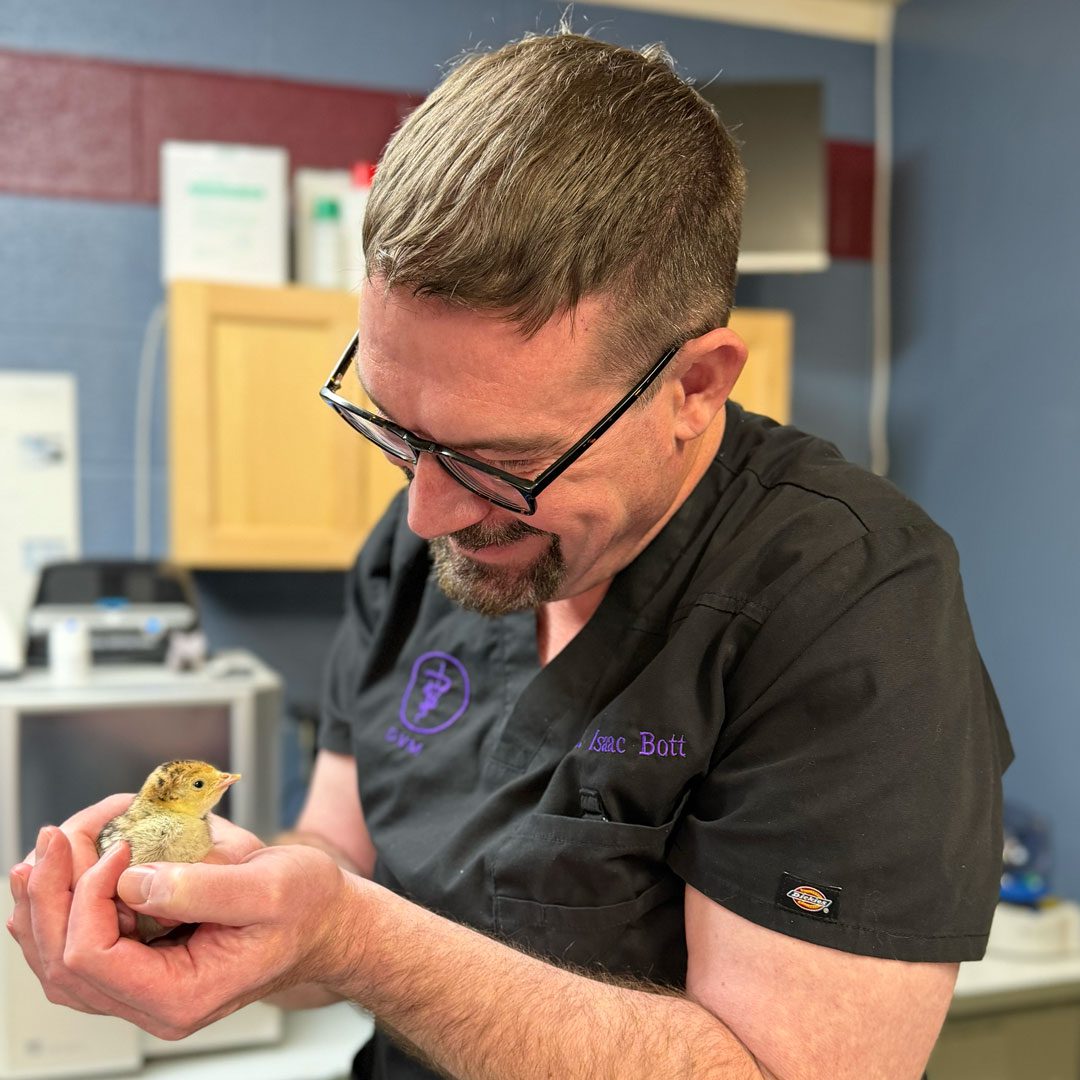
The challenges include:

Underutilization of veterinary technicians
-
Unclear roles and delegation
-
Limited career pathways for technicians and support staff
-
Compensation that does not always match training or responsibility
-
Missed opportunities for continuing education and advancement
-
Lack of leadership pathways within the care team
-
Workforce solutions that may add complexity without addressing the core problem
Better Structure. Greater Trust. Stronger Teams.
I believe we can make meaningful progress by strengthening the structure, support, and trust within veterinary teams.
Veterinary technicians should be empowered to work at the level of their training. Support staff should see opportunities to grow. Practices should have clearer systems for delegation, mentorship, advancement, and team development. When people understand their roles and feel trusted in their work, the entire team becomes stronger.
This is also why I believe team optimization should be central to workforce conversations. We already have talented people in this profession. We need to invest in them, retain them, and create systems that allow them to contribute fully.
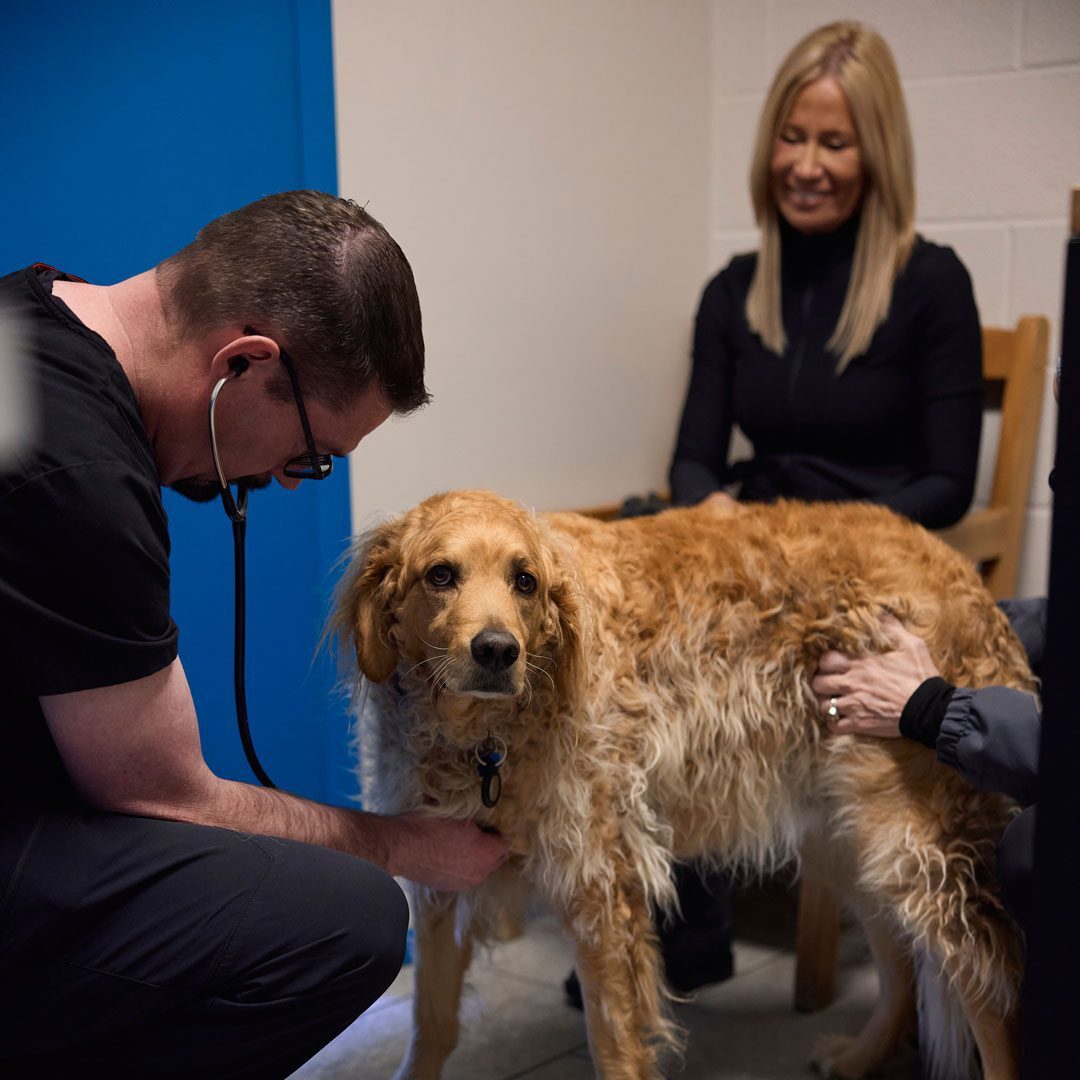
My focus includes:
-
Better technician utilization:
I want to support conversations that help technicians use the skills they are trained and licensed to provide.
-
Clearer roles and delegation:
Strong teams need structure. Clear expectations help veterinarians, technicians, and support staff work together with greater confidence and efficiency.
-
Meaningful career pathways:
Technicians and team members should be able to see a future in veterinary medicine, with opportunities for growth, leadership, and professional development.
-
Compensation aligned with skill and responsibility
Respect for the veterinary care team should be reflected in how we value their work, not only in what we say about it.
-
Support for continuing education and advancement:
Ongoing learning helps team members grow, strengthens patient care, and gives people more reason to stay in the profession.
-
A thoughtful approach to workforce solutions:
I believe we should address access and staffing challenges by better supporting existing teams, investing in retention, and preserving clarity in standards of care.
A Stronger Team Builds a Stronger Profession
Veterinary medicine does not need to overlook the people already in the room.
When we empower technicians and support team members, we strengthen patient care, improve efficiency, support veterinarians, and create more sustainable careers. We also send a clear message to the people who make this profession work every day: your skill matters, your growth matters, and your future in veterinary medicine matters.
One of the most powerful ways to move our profession forward is to invest in the team we already have.
Respect should be more than words. It should be built into structure, opportunity, compensation, trust, and leadership.